Industries / GovTech
GovTech & Municipalities.
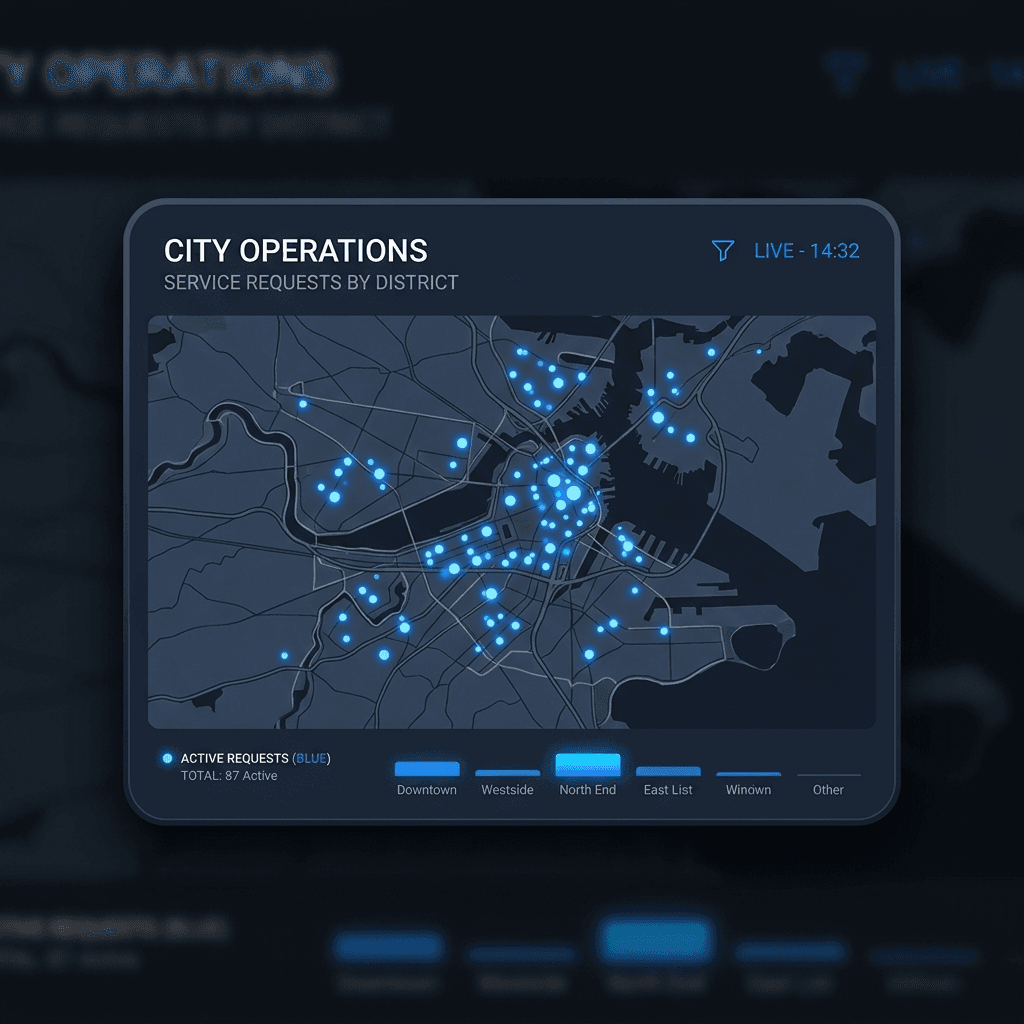
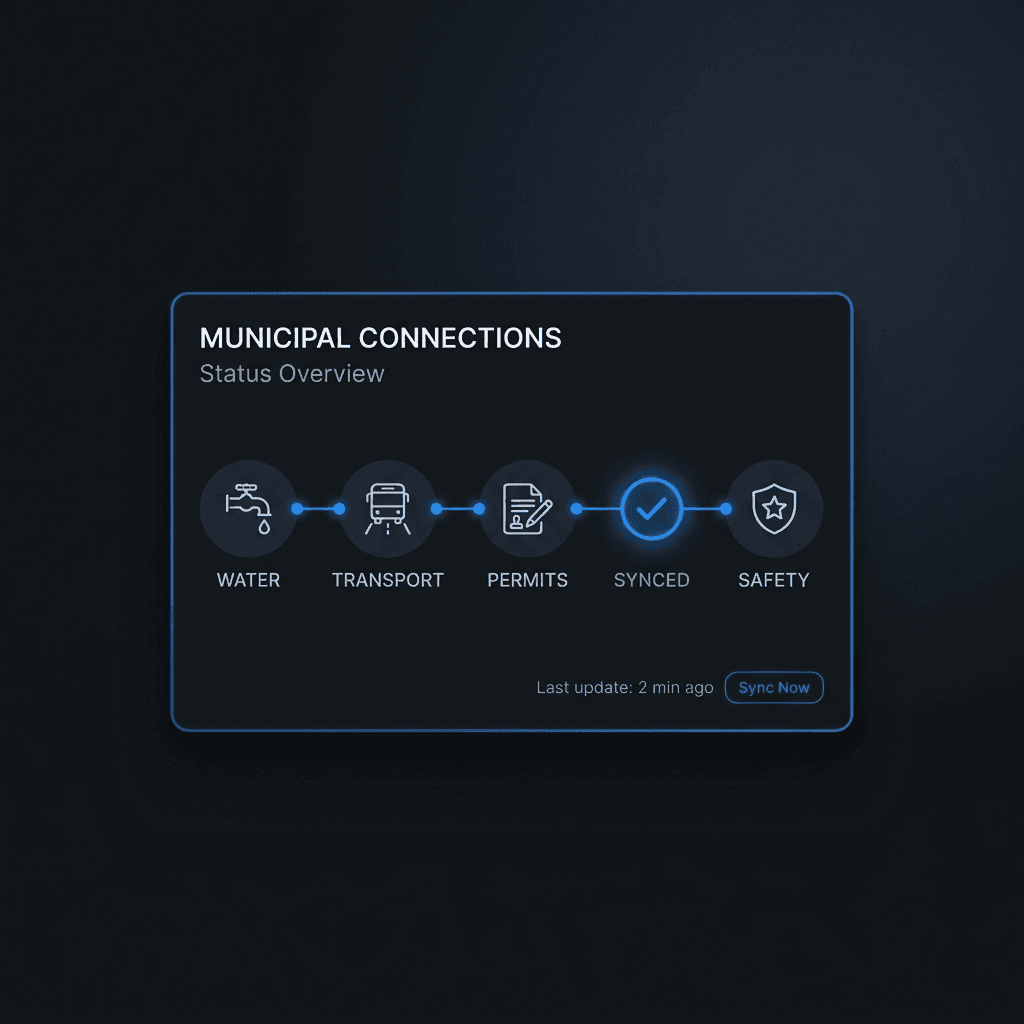
Local government runs on more systems than most enterprises — water, permits, transport, public safety — most of them disconnected. We build the layer that connects them, and the AI that makes the data usable by the people running the city.
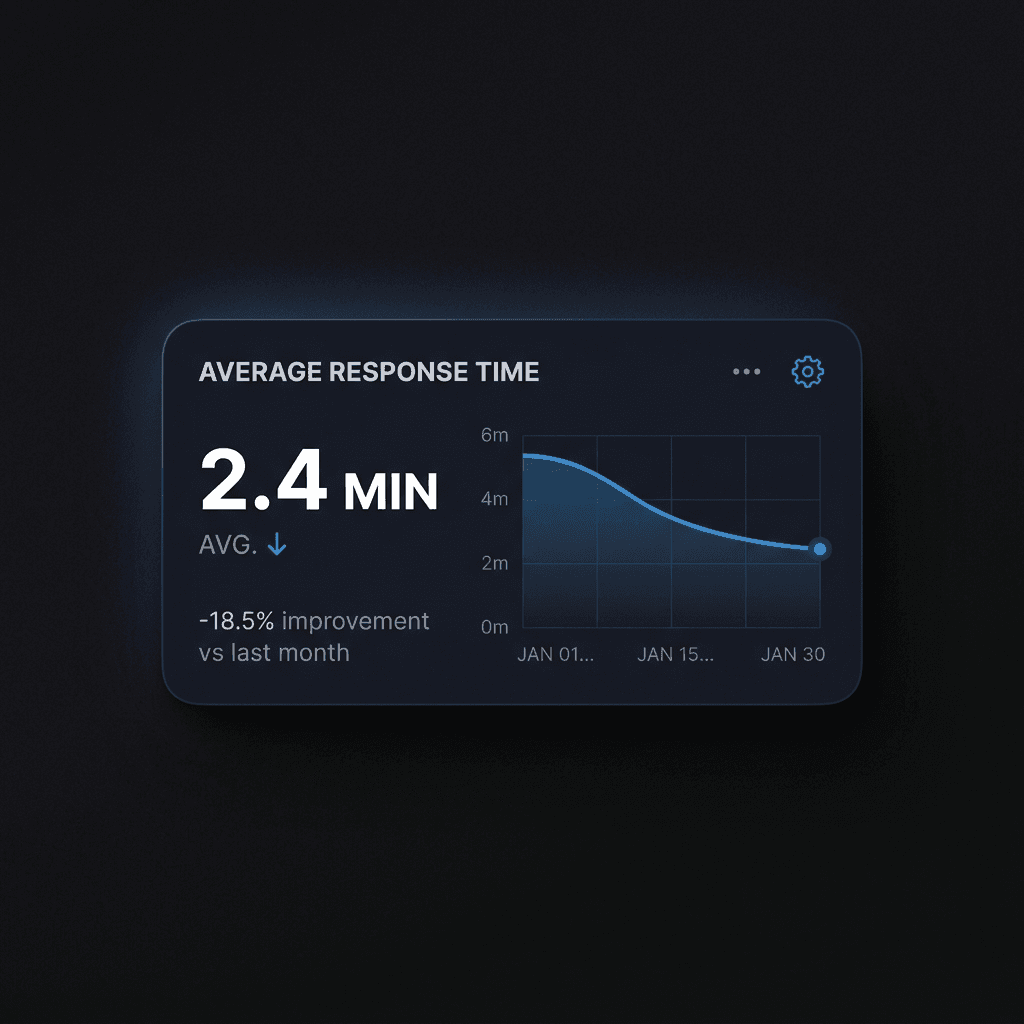
The challenge.
Municipal systems are rarely built together — they accumulate. A permits system from one vendor, a citizen portal from another, infrastructure sensors reporting to nobody in particular. The result: staff spend more time reconciling data than acting on it, and citizens experience a city that doesn't feel joined up.
That gap is where GovTech work actually happens — not in replacing every system, but in connecting the ones that already work.
What you get.
- A single view across departments, not another siloed system
- AI copilots your staff actually use, with data they can trust
- Documentation and controls that pass procurement and audit
- A partner whose own platform already holds the TÜR certificate reviewers look for
The problems that bring people to us.
The kind of problem that's usually already on your desk when you call us — and what's publicly documented about fixing it, cited so you can check it yourself.
Service requests that vanish into silos.
The problem
Citizen requests — a pothole, a broken streetlight, a code complaint — land in whichever department's system happened to receive them, with no shared status or routing across departments.
The system
We connect the request-intake layer to a shared case system, so a report is routed, tracked, and closed the same way regardless of which department owns it.
The result
It's a documented fix, not a theory: municipal governments handling 1,000+ daily service requests have taken workflow changes like this from weeks to days once departments shared one system instead of four.
Permit reviews stuck in correction loops.
The problem
Applications bounce between applicant and reviewer for missing documents or code issues, each round adding days — often the single biggest source of delay in a permitting process.
The system
We build completeness checks and structured review routing into the intake layer, so applications don't enter the queue until they're reviewable — and multi-department sign-off happens in parallel, not in sequence.
The result
This kind of AI-assisted review routing has cut average review cycles from 3.4 passes to 1.4 in real municipal permitting departments, with time-to-decision falling from 73 days to about 32.5 — a documented, repeatable result.
Records requests that age past the legal deadline.
The problem
Public-records requests get logged in a shared spreadsheet, routed between departments by email, with no single system tracking the statutory response clock — so older requests routinely lose to newer ones.
The system
We build a shared intake and routing system with the deadline visible to every department that touches a request, so nothing ages out of sight while staff work the newer file first.
The result
This isn't a rare failure mode — public-sector records-request backlogs have been documented to grow over 30% in a single year, driven largely by exactly this kind of manual, spreadsheet-based tracking. It's common enough to show up in national audits.
Our approach.
Understand
Map every department's systems, data flows and compliance requirements.
- Department & systems inventory
- Citizen service journey mapping
- Regulatory and procurement review
Architect
Design the integration layer municipal systems actually need.
- Cross-department integration architecture
- Data governance and access model
- AI/automation opportunity assessment
Build
Deliver systems public institutions can depend on, and defend in an audit.
- Production deployment with public-sector controls
- Staff training and handover
- Documentation built for procurement and audit
Related capabilities.
Why us.
Ecra, our own API and software integration platform, holds a Turkish Technological Product Certificate (TÜR) — the formal technical qualification recognized under Turkey's Public Procurement Law. It's not a marketing claim; it's the credential municipal IT and procurement teams actually check for. Combined with 20+ years of public-sector delivery and Netuce's ISO 27001 certification, this is proof-based trust.
Related insights.
Let's build the connected system.
Start with a focused project discovery process.
Start a Project