Industries / Healthcare
Healthcare.
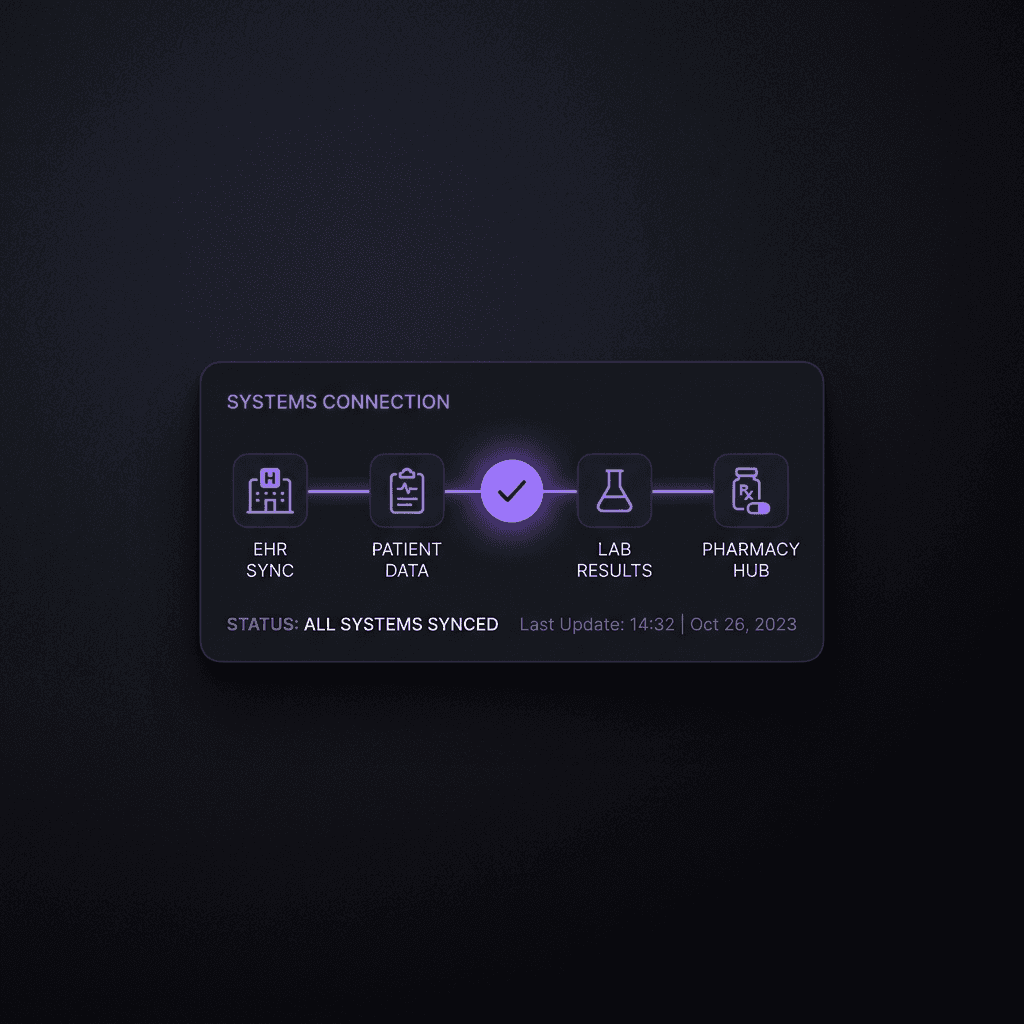
Hospitals and healthcare providers run on data that can't afford to be wrong — or exposed. We build the systems and AI layer that make patient and operational data usable, without compromising on security or compliance.
The challenge.
Healthcare data is fragmented by design — different systems for records, scheduling, billing and clinical workflows, often for good regulatory reasons. But that fragmentation also means staff spend time moving data between systems instead of using it, and AI initiatives stall before they start because governance wasn't built in from day one.
We treat compliance as an architecture decision, not an afterthought.
What you get.
- Systems that connect clinical and operational data without compromising compliance
- AI that respects data sensitivity by design, not by exception
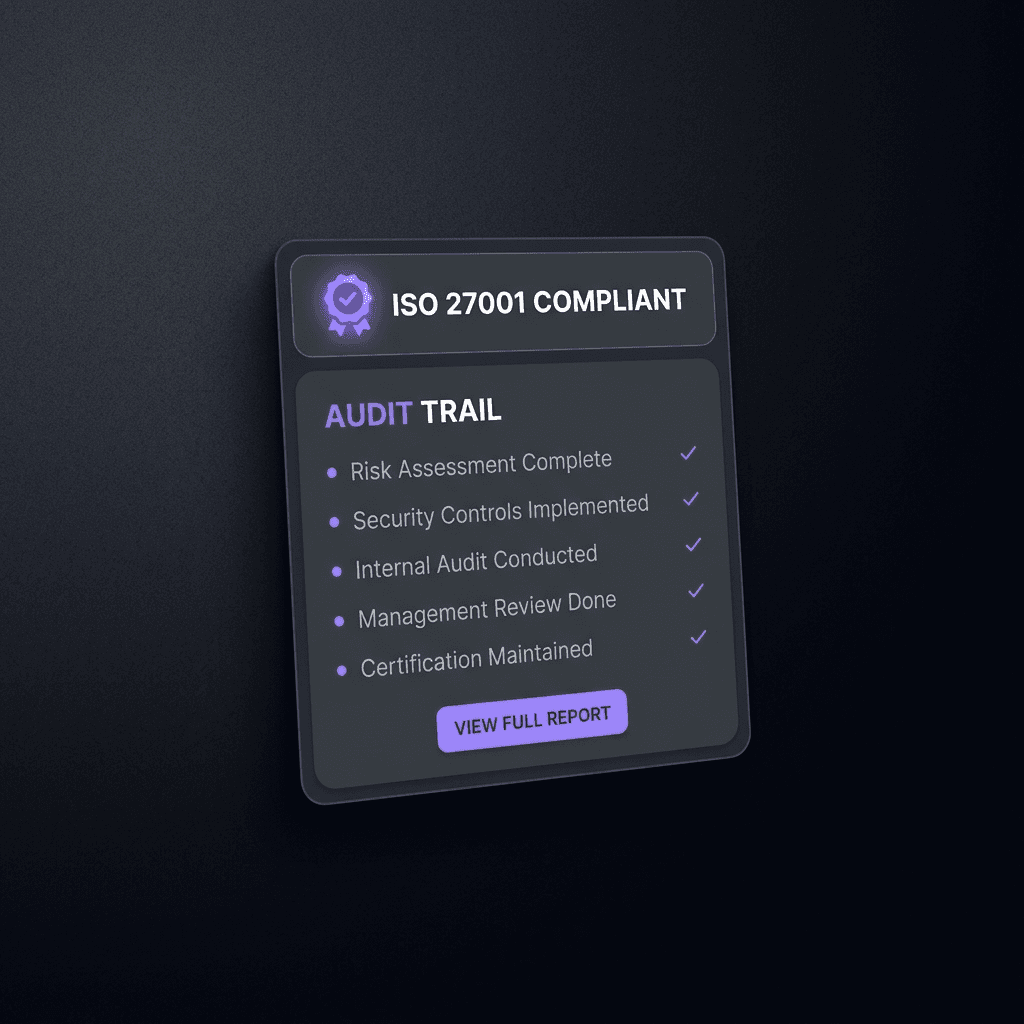
- ISO 27001-grade handling of every engagement
- Staff who trust the system because it was built around their workflow
The problems that bring people to us.
The kind of problem that's usually already on your desk when you call us — and what's publicly documented about fixing it, cited so you can check it yourself.
Referrals that quietly disappear.
The problem
A referral involves at least five handoffs — from the referring physician, through insurance and scheduling, to the specialist visit, back to a consult note. Without a system tracking all five, any one of them can fail silently, and nobody finds out until a patient asks why nothing happened.
The system
We build closed-loop referral tracking that keeps every handoff visible to whoever owns it — not more staff, just nowhere for a referral to quietly get lost.
The result
Industry data on this exact problem is stark: nearly 70% of specialists report receiving no patient information before the visit, and referral leakage is estimated to cost health systems $800,000+ per physician per year — but fully connected closed-loop systems are documented to cut that leakage by 30% or more.
Beds occupied longer than medically necessary.
The problem
Discharge planning often starts reactively — case managers reviewing charts and coordinating post-acute placement only once a patient is already medically ready, instead of days in advance. The result is avoidable bed occupancy and ED boarding.
The system
We connect discharge-readiness signals to the systems that manage post-acute placement, transport and paperwork, so care teams can act before a bed is needed, not after.
The result
A predictive discharge-planning layer like this has eliminated 8,554 excess bed-days in six months at a real health system — a forecasted $6.6M in year-one savings — without adding a single physical bed. It's exactly the mechanism we'd build.
A schedule with a crushing midday peak.
The problem
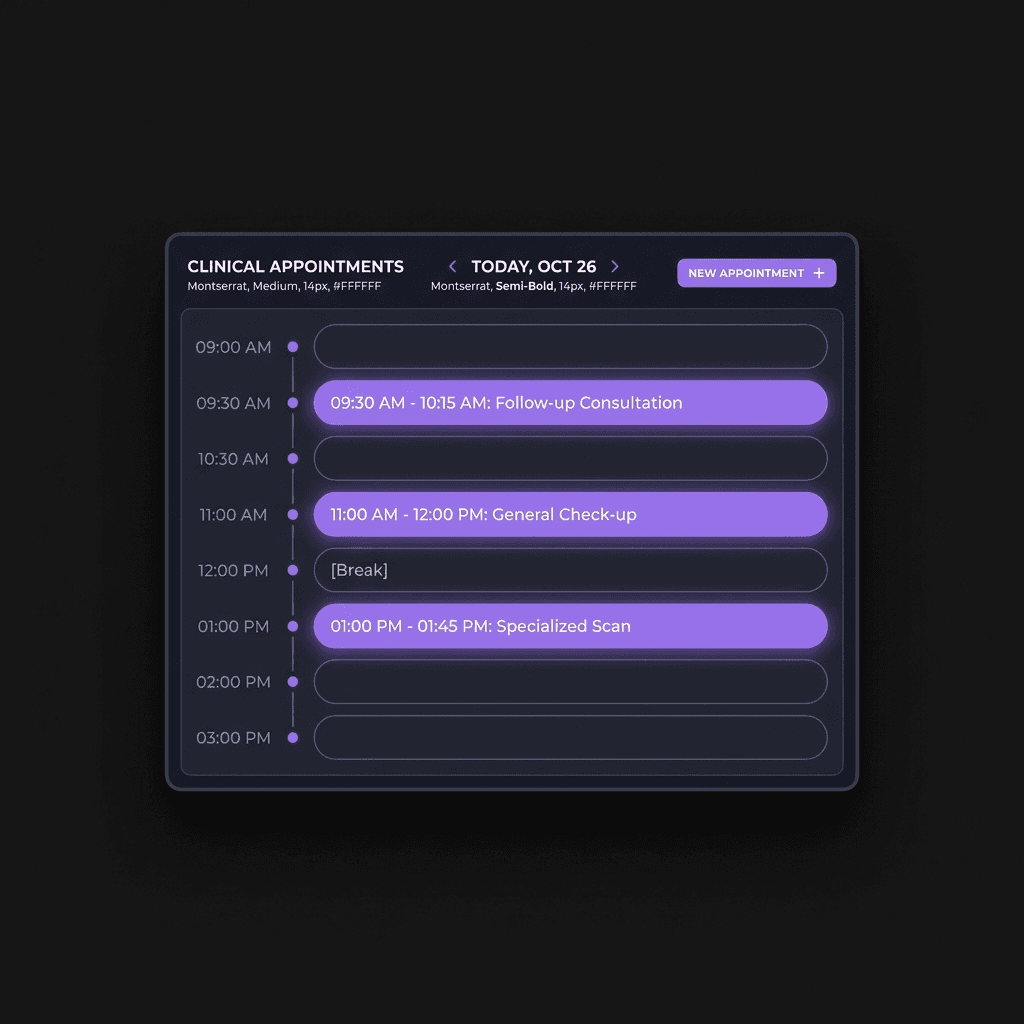
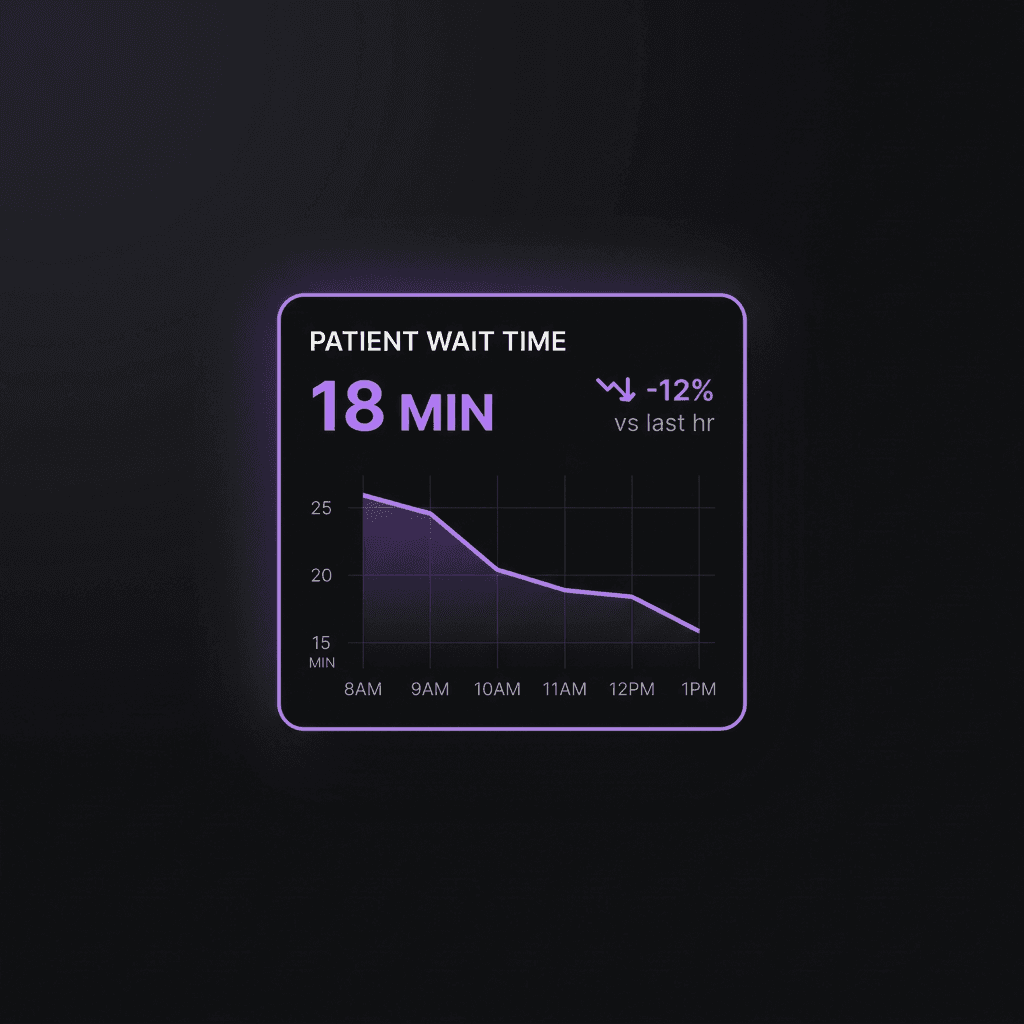
Appointment demand rarely arrives evenly through the day. Without a system that actively balances load, capacity clusters around a few peak hours while early and late slots sit unused — and everyone waits longer than the schedule implies they should.
The system
We build predictive, load-balancing scheduling that spreads demand across real capacity, instead of a calendar that just accepts bookings in the order they arrive.
The result
This kind of scheduling analytics has cut median infusion-chair wait times by 53% at a major hospital system, with nurses seeing 44% fewer days running past closing time — a documented result of smoothing demand, not adding capacity.
Our approach.
Understand
Map clinical and operational systems, data sensitivity and the compliance framework you operate under.
- Systems & data inventory
- Compliance and governance review (KVKK/GDPR-aligned)
- Clinical workflow mapping
Architect
Design an integration and AI layer built around data security from the start.
- Privacy-first integration architecture
- Access control and audit design
- AI/RAG architecture within compliance constraints
Build
Deliver systems clinical and operational teams can trust.
- Production deployment with security controls
- Monitoring and access logging
- Staff training and handover
Related capabilities.
Why us.
Healthcare data demands more than standard trust signals. Netuce's ISO 27001 certification governs how we handle sensitive data across every engagement, and our approach to compliance (KVKK/GDPR-aligned) is built into the architecture, not bolted on afterward.
Related insights.
Let's build the connected system.
Start with a focused project discovery process.
Start a Project