Industries / Retail & FMCG
Retail & FMCG.
Retail and FMCG run on more systems than most industries — POS, inventory, e-commerce, supplier EDI — most of them out of sync. We build the layer that connects them, and the forecasting AI that turns sales data into decisions before the shelf goes empty.
The challenge.
Retail and FMCG systems accumulate instead of getting designed together — a POS from one vendor, inventory management from another, an e-commerce platform tracking its own stock count, supplier EDI feeds updating on their own schedule. Demand doesn't wait for those systems to reconcile.
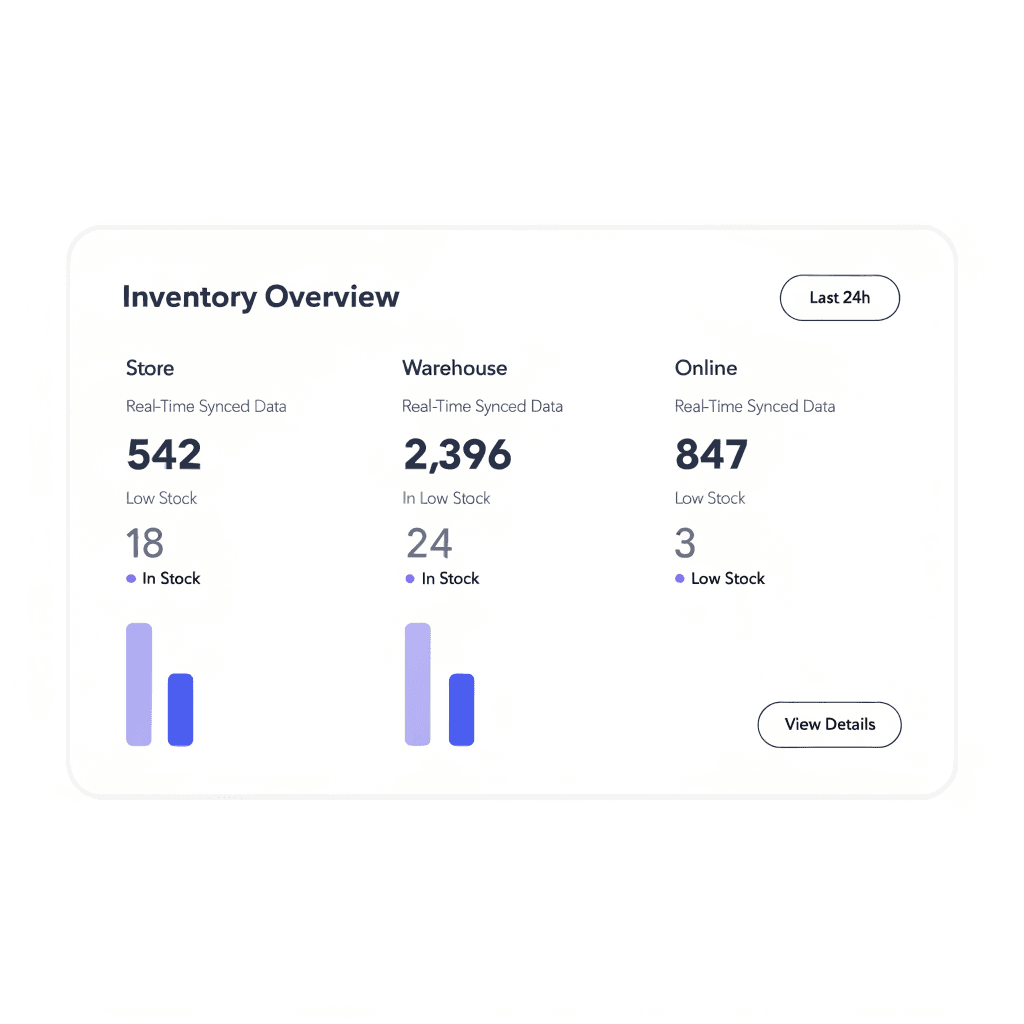
The fix isn't another dashboard. It's a shared inventory and demand layer — stores, warehouse, and online reading from the same numbers, in something close to real time.
What you get.
- A single view of inventory across stores, warehouse, and online — not another siloed system
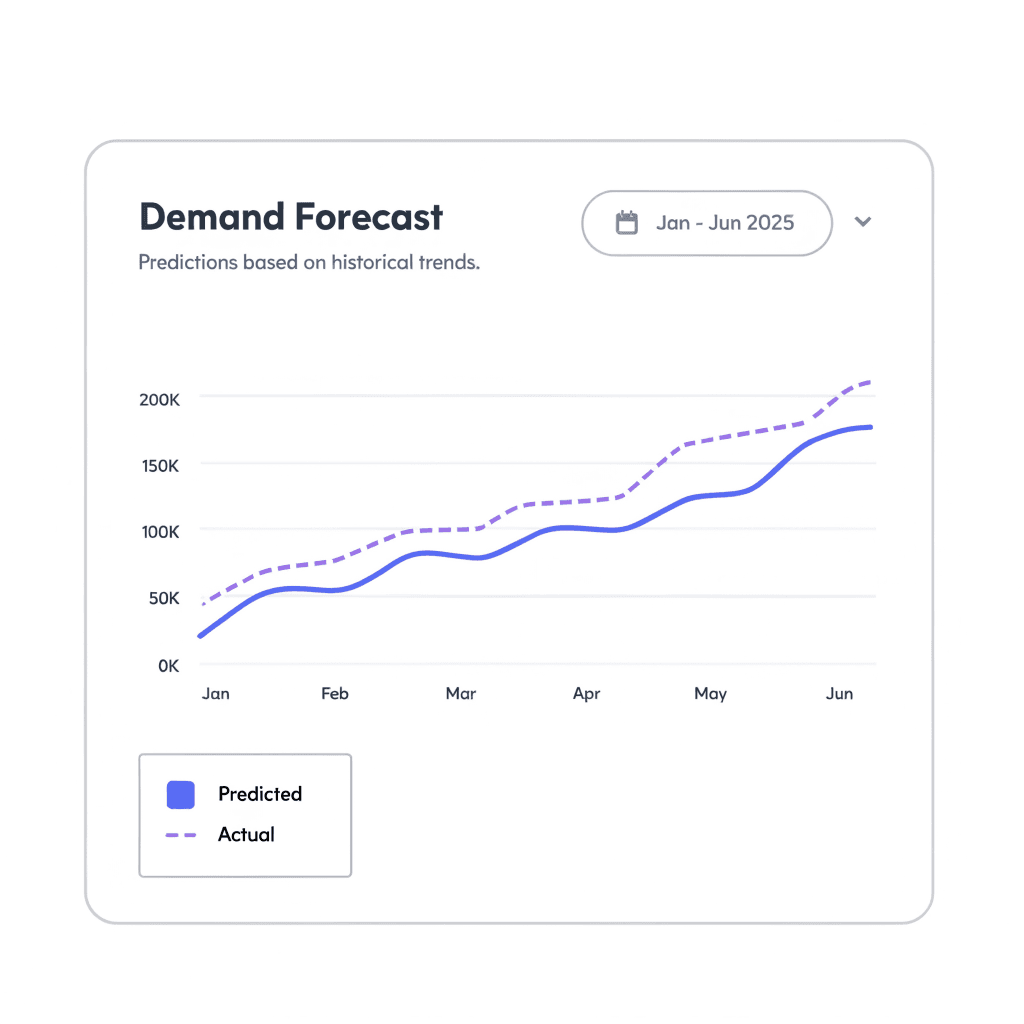
- Demand forecasts built on your actual sales data, not a spreadsheet formula from three years ago
- Fewer stockouts and less markdown waste, without adding planning headcount
- A technology stack we're transparent about, end to end
The problems that bring people to us.
The kind of problem that's usually already on your desk when you call us — and what's publicly documented about fixing it, cited so you can check it yourself.
Forecasts that are already wrong by the time they're used.
The problem
Demand planning runs on a spreadsheet formula or a static reorder point, rebuilt weekly from whatever sales data made it into the report — by the time buyers act on it, the numbers are already a week old.
The system
We build an AI-driven demand forecasting layer directly on top of your POS and sales data, refreshed continuously instead of on a weekly cycle, so replenishment decisions use what's actually happening on the shelf today.
The result
AI-driven forecasting research shows it typically cuts forecast errors by 20–50% and reduces lost sales from stockouts by up to 65%; one major FMCG manufacturer's AI demand model delivered a 30% reduction in lost sales after rollout.
Inventory that's never actually where the system says it is.
The problem
Out-of-stocks and overstocks compound quietly across regions and channels — each one individually small, collectively one of the largest costs retailers never put a number on.
The system
We build inventory-distortion visibility directly into your existing systems — a shared view that flags where stock is drifting from plan early enough to correct it, instead of discovering it at count time.
The result
Industry research puts the global cost of retail overstocks and out-of-stocks at $1.7 trillion a year, with empty shelves alone accounting for $690.9 billion of that in lost sales.
The store and the website telling two different stories.
The problem
A customer sees "in stock" online, drives to the store, and finds an empty shelf — because store inventory and e-commerce inventory update on different systems, on different schedules.
The system
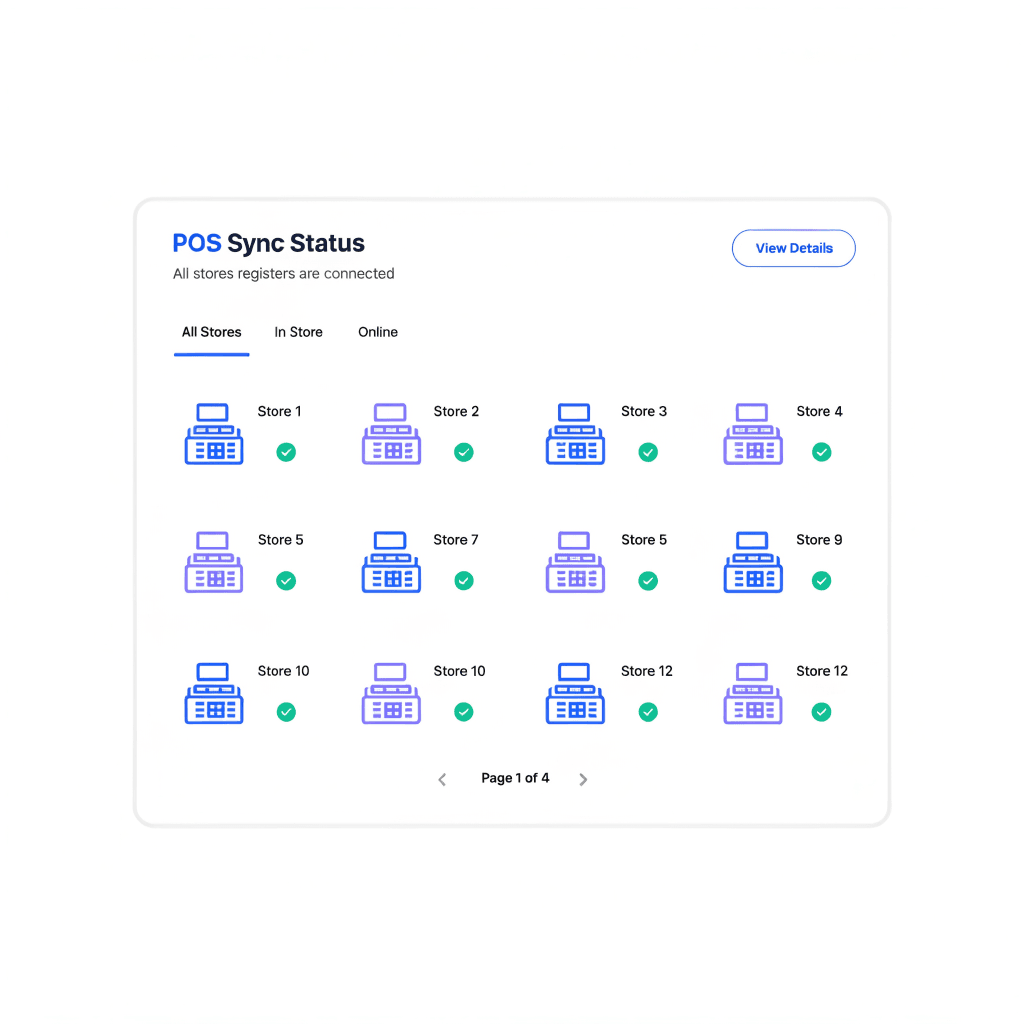
We connect store POS, warehouse, and e-commerce inventory into one real-time data layer, so "in stock" means the same thing everywhere a customer can see it.
The result
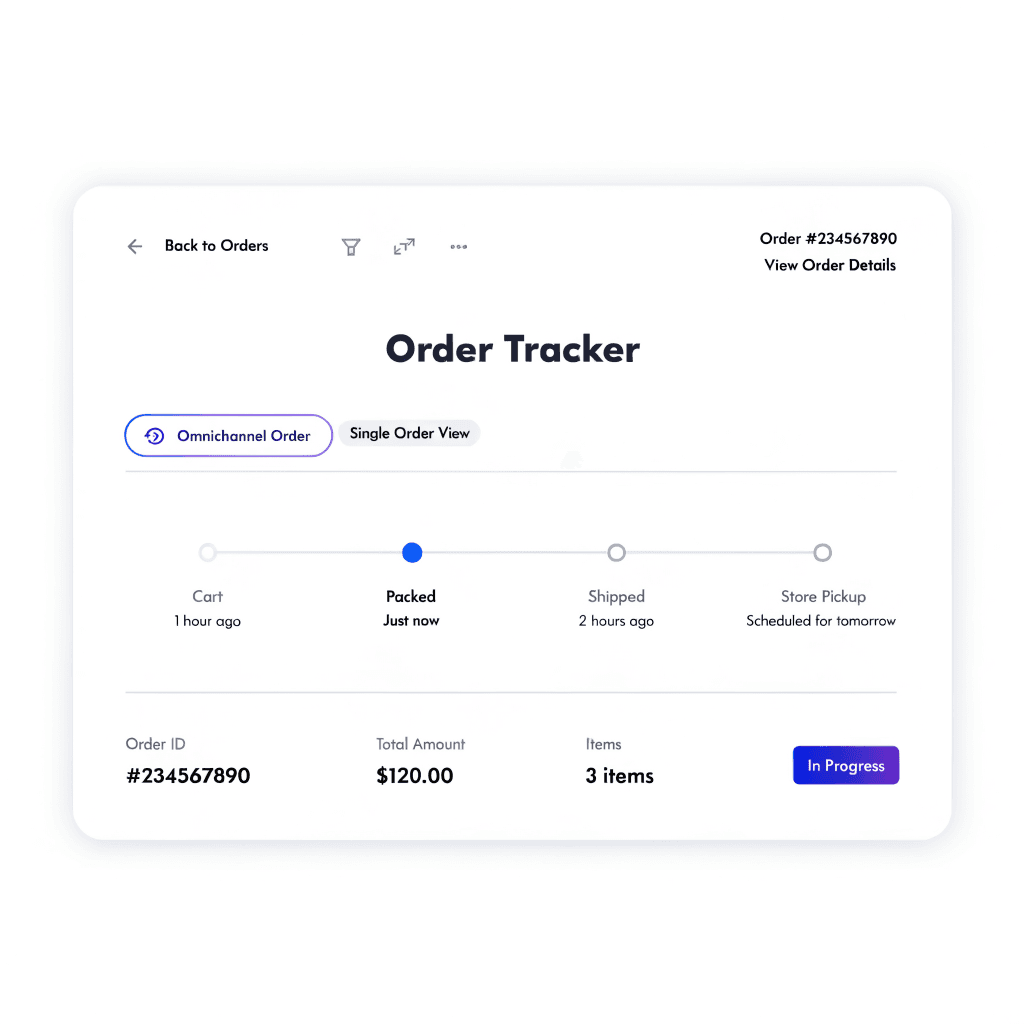
Omnichannel fulfillment research shows store-level inventory accuracy typically runs 70–90%, against 99.5%+ in distribution centers — the exact gap a unified real-time inventory layer is built to close.
Our approach.
Understand
Map your POS, inventory, e-commerce and supplier systems, and where they disagree.
- POS & inventory systems audit
- Sales and demand data baseline
- Omnichannel gap analysis
Architect
Design the shared inventory and forecasting layer that keeps every channel in sync.
- Unified inventory data model
- Demand-forecasting model selection
- POS/e-commerce integration design
Build
Deliver a system buyers and store teams actually use, not another dashboard.
- Production deployment across channels
- Forecasting and alerting built in
- Buyer and store-team training
Related capabilities.
Why us.
We lead with 20+ years of enterprise systems delivery — including FMCG manufacturers and retail chains — and the same AI & Enterprise Systems and Product & Software Engineering teams that build inventory, forecasting, and integration systems for other data-heavy industries.
Common questions.
How is this different from a standard inventory management system?
Most inventory systems show you a static count. We build a live forecasting layer on top of your existing POS and sales data — continuously refreshed, not rebuilt on a weekly report — so replenishment decisions use what's happening today.
AI & Enterprise SystemsDo you replace our existing POS and e-commerce platforms?
No. We connect what you already run — POS, warehouse, e-commerce — into one data layer instead of asking you to migrate off systems your teams already know.
Product & Software EngineeringHow long does a retail inventory integration typically take?
It depends on how many systems and locations are involved, but every engagement follows the same three-stage process — see the full breakdown with typical timeframes for each stage.
How we workCan this work across multiple store regions or a mixed online/offline footprint?
Yes — the same unified data layer scales across regions and channels; the integration design just accounts for each region's systems from the start.
Talk to usRelated insights.
Let's build the connected system.
Start with a focused project discovery process.
Start a Project